
Curating a balanced and holistic modern lifestyle
Cultivating a fulfilling contemporary life involves curating various components, from holistic wellness and interior design to cultural exploration and wealth management. This approach emphasizes conscious choices that foster personal growth, environmental responsibility, and global connectivity. It is a continuous process of aligning actions with values for a cohesive and meaningful existence.
Exploring regenerative and cultural travel experiences
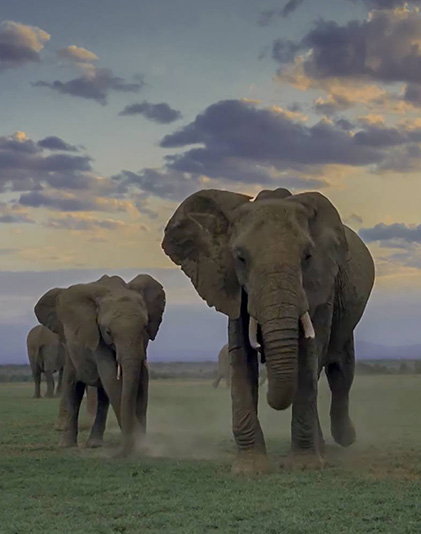
Contemporary tourism increasingly values authenticity and ecological stewardship. Regenerative ecotourism explores natural landscapes while supporting conservation efforts and local communities. Travelers can select green certified accommodations, participate in wildlife protection initiatives, and reduce their carbon footprint by conserving resources. The core idea is to leave each destination better than found, ensuring its sustainable preservation for future global visitors.
Meaningful exploration also emphasizes immersive heritage. Slow tourism encourages deeper engagement over hectic schedules, fostering connections with local communities. This includes supporting artisanal businesses, learning essential phrases, and participating in craft workshops. Such interactions create a richer, educational experience that enhances understanding of regional customs while promoting global respect and intercultural awareness.

Outdoor adventure and recreational tourism
Active leisure blends physical vitality with nature appreciation through hiking, kayaking, and mountaineering expeditions.

Remote work and digital nomad lifestyle
Cloud technology enables remote work alongside tourism, allowing extended stays across diverse destinations while maintaining professional productivity.

Urban Exploration and Cultural Heritage
Exploring urban centers allows travelers to immerse themselves in history, fine arts, and architecture. Touring landmarks, galleries, and bustling local markets provides a window into the city’s societal identity and evolution, enriching leisure experiences beyond the natural environment.

Purchasing crafts from local artisans and hiring independent guides strengthens the economic resilience of the neighborhoods and communities explored.

Using reusable containers, relying on public transportation, and offsetting carbon emissions are key strategies to minimize the ecological impact of cultural tourism.
Learning about and respecting local customs, dress codes, and social etiquette is essential for responsible, culturally sensitive, and rewarding travel experiences.
Building vibrant health and holistic wellness
A comprehensive view of well-being recognizes the deep interconnection between mind, body, and emotions. It goes beyond symptom management to foster vitality through preventative medicine practices. This approach emphasizes balance, self-awareness, and daily habits nurturing long-term health, including mental resilience, conscious nutrition, and mindful living.

Mental clarity and cognitive resilience
Techniques such as mindfulness meditation, reflective journaling, and occasional digital detoxes enhance focus, relieve cognitive strain, and strengthen emotional balance.

Dietary habits for sustained energy
Consuming whole, minimally processed foods supplies necessary macronutrients and vitamins to support energy, cognitive function, and overall metabolic performance.

Fitness and physical vitality
Regular exercise, whether through planned workouts or outdoor recreation like hiking, promotes cardiovascular fitness, muscular strength, and effective stress management.

Designing interiors that inspire comfort and harmony
The living environment shapes daily life, offering spaces for relaxation, creativity, and connection. Thoughtful interior design combines aesthetics and functionality creating homes that are sustainable, practical, and reflective of personal style. Incorporating natural elements fosters serenity and enhances emotional well-being in modern residential interiors.


Wealth management strategies
Driving growth and asset stability in modern business
Effective business practices enhance profitability, resilience, and long-term success. Strategic planning optimizes resource allocation, while data-driven decision-making improves operational efficiency. Sound investment management empowers organizations to navigate market fluctuations, support sustainable growth, and maintain stability, ensuring both economic performance and shareholder confidence without unnecessary risk.
Driving change through digital technology and innovation
Rapid technological advancements are transforming industries, daily life, and societal interaction. Embracing innovation is essential for understanding emerging tools such as artificial intelligence, automation, and digital platforms. This knowledge enables individuals and organizations to make informed choices that enhance efficiency, sustainability, and ethical practices in a digitally connected world.

Artificial intelligence software applications
AI powers decision-making, machine learning, and personalized experiences across sectors, revolutionizing workflows and enhancing productivity while requiring responsible deployment.

Smart Home Systems and IoT
Connected devices and IoT solutions optimize energy, domotics, and communication, offering convenience, real-time insights, and data-driven problem-solving opportunities.

Blockchain and Cryptocurrency Solutions
Understanding blockchain and emerging digital technologies provides a foundation for secure fintech transactions, decentralized platforms, and innovative approaches to economic and social challenges.